## min read

Posture and Mental Health: What Your Body Is Trying to Tell You

|

November 10, 2025

Summarize with AI

Posture and Mental Health: What Your Body Is Trying to Tell You

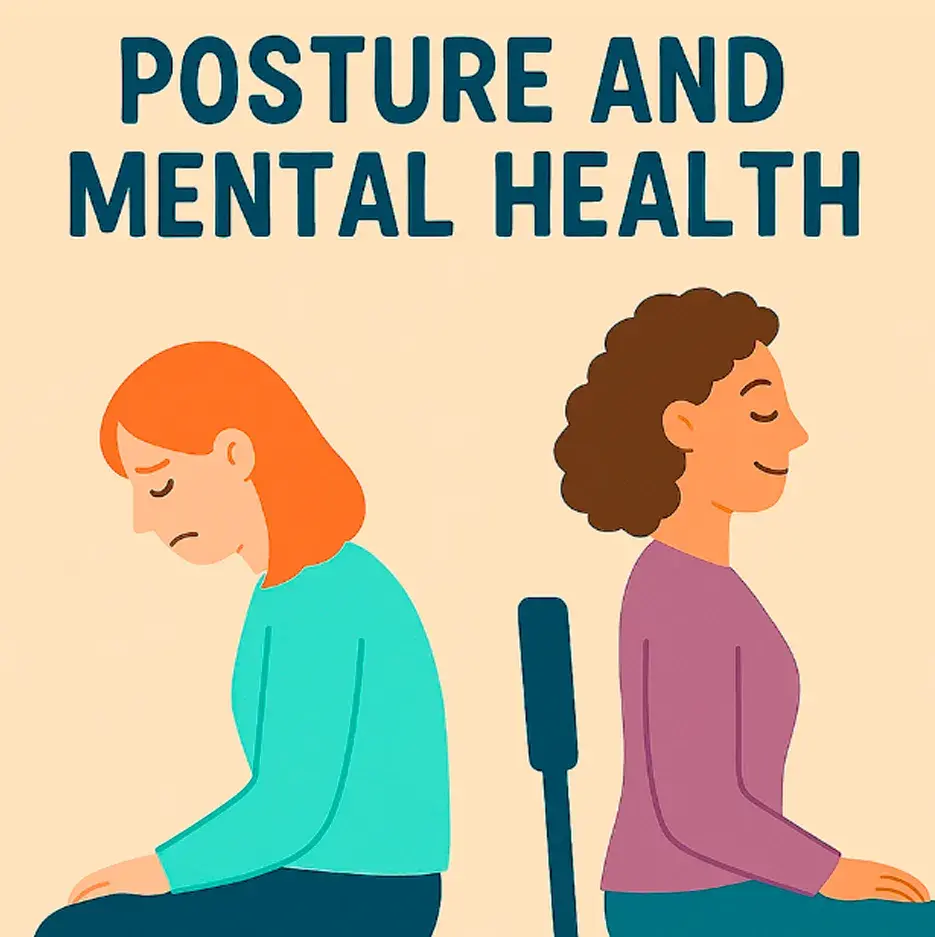
We often think of posture as a physical habit - but it’s also a mirror of your inner world. The connection between posture and mental health runs deeper than you might expect, subtly influencing mood, focus, and emotional regulation.

This article unpacks what science says about posture’s psychological effects - and how small physical shifts might support bigger emotional change. It’s not a fix-all. But it’s a place to start noticing.

Why Your Posture Says More Than You Think

How are you sitting right now? Shoulders slumped? Head forward? Spine curved? These small physical habits may seem minor, but your posture affects more than just how you look - it’s deeply connected to how you feel and think.

What we often consider simply "bad sitting habits" can become silent signals of emotional strain. Over time, the body’s default position (especially one of collapse or tension) begins to shape the way we process stress, respond to challenges, and regulate our emotions.

Poor posture can influence:

  • Breathing patterns and oxygen flow
  • Muscle tension and chronic pain
  • Fatigue and low energy
  • Confidence and self-perception
  • Emotional states like anxiety or sadness

In contrast, sitting up straight with good posture helps improve focus, circulation, and overall mood. The relationship between posture and mental health isn’t just behavioral - it’s biological. As we’ll explore in the next sections, better posture isn’t only about avoiding back pain; it’s a foundation for better emotional balance and long-term mental health.

The Science Behind Posture and Mental Health

In one study published in Health Psychology, participants who sat upright during a stressful task reported feeling more alert, confident, and in control compared to those in a slouched position. Their body language didn’t just reflect their emotional state - it shaped it. This offers a clearer picture of the relationship between posture and anxiety, showing that how we sit and move can influence both short-term reactions and long-term emotional patterns.

Below, we explore how posture connects with mood, anxiety, and symptoms of depression - and why these physical cues matter more than we often realize.

How Body Position Shapes Your Mood

Maintaining an upright posture supports a more open, engaged state - both physically and emotionally. In the study, participants who sat up straight while delivering a stressful speech reported greater self-esteem and used more balanced, confident language. This highlights how posture can shape our internal state, not just reflect it.

Researchers have also found similar effects in "power pose" research, suggesting that expansive postures can influence hormonal activity and emotional readiness.

  • Key takeaway: Upright posture can reinforce emotional stability and support a more confident mindset.

Posture, Anxiety, and Cognitive Bias

Anxiety often starts in the body. A slouched, compressed posture can restrict breathing and heighten physical tension - sending the brain a subtle message that danger is near. This connection between posture and anxiety is part of a self-reinforcing loop, where the body shapes thought patterns and vice versa.

While posture alone doesn’t treat anxiety, improving it can interrupt this feedback loop and support other tools like mental health counseling.

  • Key takeaway: Correcting posture helps reduce the body’s stress signals that fuel anxious thinking.

Depression, Slouching, and Learned Helplessness

Depression is often expressed through the body - in reduced movement, slumped shoulders, and a lowered gaze. Participants assigned to slouched posture in the study reported more negative thoughts and used language tied to sadness and helplessness.

Though good posture won’t reverse depression on its own, it can help shift physical cues that reinforce low mood, especially when paired with supportive care or treatment.

  • Key takeaway: Collapsed posture may sustain depressive patterns, while upright posture can gently support emotional engagement.

How Poor Posture Affects Your Physical Health

The Silent Strain on Your Spine and Organs

Poor posture leads to subtle yet consistent pressure on your musculoskeletal system. Muscles must overcompensate to hold you upright, while organs become compressed - reducing efficiency and function.

Here’s how posture affects different systems:

Body Area Common Effects of Poor Posture
Neck & Shoulders Muscle tension, stiffness, headaches
Lower Back Chronic pain, disc compression
Chest & Lungs Reduced lung expansion, shallow breathing
Abdomen Compressed organs, slower digestion

When we talk about the connection between posture and anxiety, these physical consequences are a central part of the story.

Energy, Focus, and Breathing

The way you sit and move also affects cognitive and physical performance. Slouching limits lung capacity, restricts oxygen intake, and increases muscle fatigue - all of which can reduce your ability to stay alert and focused.

Poor posture can lead to:

  • Shallow breathing, which lowers oxygen delivery to the brain
  • Neck and jaw tension, contributing to headaches and distraction
  • Increased fatigue, as muscles work harder to stabilize the body
  • Reduced circulation, which affects energy and temperature regulation
  • Mental fog, often related to poor alignment and decreased airflow

Improving posture is one of the simplest ways to support clearer thinking, better energy, and overall posture and health outcomes - without requiring a major lifestyle overhaul.

What Good Posture Does for Your Brain and Body

Boosts Confidence and Emotional Stability

How we hold our bodies influences how we feel about ourselves. Standing or sitting tall helps create a sense of groundedness - a message your body sends to your brain. This physical alignment promotes greater confidence, improved self-regulation, and more balanced emotional reactions.

In social or professional settings, an upright posture also communicates calm and engagement. Over time, practicing better posture can shift self-perception, reinforcing a stronger internal narrative. This link between posture and health isn’t abstract - it’s something your nervous system registers with every movement.

Improves Physical Efficiency and Reduces Fatigue

Proper alignment reduces strain on the muscles that support your spine, letting your body do more with less effort. Here’s how posture influences performance:

Posture Type Physical Effect
Upright, aligned Even weight distribution, reduced tension
Slouched Muscle overuse, joint compression
Forward head Neck strain, increased fatigue
Rounded shoulders Shallow breathing, restricted movement

When your posture works with your body you conserve energy and stay sharper throughout the day. That’s how posture and health stay connected long-term.

Supports Long-Term Mental Clarity

Better posture supports brain function by improving how the body breathes and moves. Here’s why alignment matters for your focus:

  • More oxygen to the brain improves alertness and reduces brain fog during the day.
  • Fewer physical distractions help minimize cognitive overload and support sustained attention.
  • Reduced muscle fatigue allows you to maintain focus for longer periods without discomfort.
  • Better nervous system balance promotes a calmer emotional baseline and greater mental flexibility.

When your body feels stable and open, your mind has more bandwidth. While posture won’t replace rest or therapy, it helps create the conditions for clearer thinking and more consistent mental performance.

Posture Habits That Actually Work

Posture Checkpoints in Real Life

Forget posture tips that only work in ideal conditions. Instead, build awareness where it counts:

  • In the car: Adjust your seat and mirrors so you’re prompted to sit tall without leaning forward.
  • On video calls: Keep your screen at eye level, feet grounded - your back slumps when you're half-engaged.
  • During scrolling breaks: Whether on the couch or in bed, notice if your head is jutting forward or your spine is collapsing.
  • At the desk: Set a reminder to uncross your legs, pull your shoulders back, and realign every hour.
  • While cooking or doing chores: Check if you're locking your knees or leaning your weight onto one hip.
  • When feeling overwhelmed: Anxiety often starts with your breath and chest. Open the ribcage, exhale slowly - posture and anxiety are more linked here than you think.
  • Before sleep: Place a pillow under your knees (back sleepers) or between them (side sleepers) to reduce spinal tension overnight.

These posture "checkpoints" help bring your attention back - not to perfection, but to presence. That’s where posture and health start to shift in real life.

Building Core Strength Without a Gym

Improving posture isn’t about planks or fancy routines. It’s about waking up underused muscles - especially when you’re sitting.

Try these:

  • Gently engage your lower abdomen when waiting in line or brushing your teeth.
  • Lift through the crown of your head during slow walks or breaks.
  • Check in with your breath: Are your ribs moving freely, or is your chest collapsed?

These small actions retrain the core muscles that hold your spine - no gym required. Over time, they support better posture, reduce strain, and improve both mental health and stamina.

Ergonomics That Make a Real Difference

Not all posture gear delivers. Some tools help, others just clutter your desk and most often simple adjustments to your setup tend to have the biggest impact on posture and health. Here’s a quick breakdown:

Tool Worth It? Why It Helps (or Doesn’t)
Adjustable chair Yes Supports neutral spine and reduces pelvic tilt
Standing desk Sometimes Great in short bursts – but tiring if overused
Posture braces Usually no May weaken support muscles with long use
Laptop stand + keyboard Yes Aligns screen to eye level, reduces neck strain

Beyond Posture: Dealing With Deeper Mental Health Issues

There’s a point where posture correction meets its limits. If anxiety, low mood, or exhaustion persist - even with better habits - the cause may lie deeper. It’s not just about how you sit, but what sits underneath. Conditions like depression, anxiety disorders, or trauma responses can shape posture from within, not the other way around.

That’s where therapy comes in. For many, the loop between posture and anxiety becomes automatic - slouching triggers stress, which deepens emotional discomfort. Somatic approaches, CBT, and trauma-informed care help reconnect the mind and body - especially in people with co-occurring disorders and dual diagnosis, where emotional and physical symptoms are deeply linked.

Final Thought: Straighten Your Spine, Shift Your Mind

Your posture reflects more than muscle memory - it mirrors your emotional state. Sitting upright won’t resolve chronic anxiety or low mood, but it can be the first clue that something deeper is asking for attention.

If emotional strain keeps pulling you down, physically or mentally, it might be time to address what’s underneath. At Amae Health, we support people facing anxiety, depression, and burnout with care that treats the root, not just the surface.

You deserve support that honors both mind and body. Contact our specialists when you’re ready.

‍

Reccomended for you

# min read

Crippling Anxiety: What It Is, Why It Happens & What Can Help

By

Sonia Garcia

|

February 19, 2026

You wake up and your heart is already racing. Before you even open your eyes, your chest feels tight. The simple thought of checking your email triggers a wave of panic, leaving you trapped in a loop of worst-case scenarios you cannot shut off. It feels as though your body is constantly braced for a disaster that never arrives.

This is crippling anxiety.

Far beyond feeling stressed or nervous, crippling anxiety creates a state so severe that it paralyzes your routine and makes everyday tasks feel like insurmountable mountains. When you live with this, tension becomes a permanent resident in your body. Physical symptoms like a racing heart, nausea, or dizziness arrive without warning, and no matter how hard you try, you cannot simply turn off the fear.

If this sounds familiar, you are not alone. Understanding what is crippling anxiety, why it happens, and which treatments actually provide relief is the first step toward reclaiming your life. Recognizing the difference between daily stress and a paralyzing condition is where healing begins.

What Is Crippling Anxiety?

Crippling anxiety isn't an official diagnosis you'll find in the DSM-5. Instead, it's a term people use to describe anxiety that's so severe it interferes with their ability to function. It goes beyond occasional worry or nervousness - it's persistent, overwhelming, and disruptive.

Here's how it shows up in everyday life:

  • You avoid situations that trigger panic, even when they're necessary - like work meetings, social gatherings, or medical appointments.
  • Your body reacts intensely to small stressors, making it hard to distinguish real threats from imagined ones.
  • Daily tasks feel overwhelming, from answering phone calls to grocery shopping.
  • You can't focus or complete responsibilities because anxiety hijacks your attention and energy.

When people ask what is crippling anxiety, they're often describing anxiety that doesn't just make life uncomfortable - it makes life feel unmanageable.

How Crippling Anxiety Differs From Everyday Stress

Everyone experiences stress. But crippling anxiety operates on a completely different level. Here's how they compare:

Feature Everyday Stress Crippling Anxiety
Trigger Specific event (deadline, conflict) Often vague or absent
Duration Temporary, resolves after stressor passes Persistent, lingers without clear cause
Intensity Manageable discomfort Overwhelming, paralyzing fear
Physical symptoms Mild tension, occasional restlessness Severe: racing heart, shortness of breath, nausea, dizziness
Impact on function Might reduce productivity temporarily Prevents working, socializing, or handling daily tasks
Control Can redirect focus or take action Feels uncontrollable and intrusive

Everyday stress motivates you to solve problems. Crippling anxiety stops you in your tracks.

Signs of Crippling Anxiety

Crippling anxiety presents through a combination of emotional, cognitive, and physical symptoms. Here are the most common signs:

  • Persistent, intrusive thoughts that loop without resolution.
  • Racing heart or chest tightness, even when resting.
  • Shortness of breath or feeling like you can't get enough air.
  • Nausea, stomach pain, or digestive issues.
  • Dizziness, lightheadedness, or feeling disconnected from your body.
  • Muscle tension, especially in the shoulders, neck, and jaw.
  • Extreme fatigue despite doing very little.
  • Difficulty sleeping or waking up multiple times during the night.
  • Constant sense of dread or feeling like something bad is about to happen.
  • Irritability or emotional outbursts that feel out of character.
  • Avoidance behaviors - canceling plans, calling in sick, isolating yourself.
  • Difficulty concentrating or making decisions, even simple ones.

These symptoms don't just come and go - they build over time, creating a cycle where anxiety about your anxiety makes everything worse.

What Causes Crippling Anxiety?

There's no single cause of crippling anxiety. It typically develops from a combination of factors:

  • Genetics: Anxiety disorders often run in families, suggesting a biological predisposition.
  • Brain chemistry: Imbalances in neurotransmitters like serotonin, dopamine, and GABA affect mood regulation.
  • Chronic stress: Prolonged exposure to stressors keeps your nervous system in overdrive.
  • Trauma or adverse experiences: Past trauma, abuse, or significant losses can rewire your threat detection system.
  • Major life changes: Events like moving, job loss, relationship changes, or health diagnoses can trigger intense anxiety.

Understanding these contributors helps you recognize that crippling anxiety isn't a personal failure. It's a complex response involving biology, environment, and experience.

Anxiety Disorders Linked to Crippling Anxiety

Crippling anxiety often overlaps with specific anxiety disorders:

  • Generalized Anxiety Disorder (GAD): Excessive, uncontrollable worry about multiple areas of life that persists for months.
  • Panic Disorder: Recurrent, unexpected panic attacks with intense physical symptoms and fear of future attacks.
  • Social Anxiety Disorder: Intense fear of judgment or embarrassment in social situations that leads to avoidance.
  • Agoraphobia: Fear of places or situations where escape feels difficult, often resulting in severe avoidance.

These conditions share one thing: they significantly disrupt daily functioning, relationships, and quality of life.

How to Know If Your Anxiety Is Becoming Crippling

Not all anxiety crosses into "crippling" territory. Here's how to tell if yours has:

  • Duration and persistence: Your anxiety lasts most days for weeks or months, not just during stressful periods.
  • Loss of control: You can't calm yourself down using strategies that used to work.
  • Disproportionate reactions: Small triggers provoke intense fear or physical symptoms.
  • Avoidance interferes with life: You're skipping work, canceling plans, or avoiding necessary activities because of anxiety.

If several of these apply, your anxiety has likely moved beyond manageable stress into something that needs more structured support.

How to Manage Crippling Anxiety

The good news? Even severe anxiety responds to the right combination of strategies and support. Here's what actually helps.

Practice Grounding and Breathing Techniques

When crippling anxiety hijacks your nervous system, grounding techniques interrupt the panic cycle and bring you back to the present moment.

Try these:

  • 5-4-3-2-1 grounding: Name 5 things you see, 4 you touch, 3 you hear, 2 you smell, 1 you taste.
  • Belly breathing: Breathe in slowly for 4 counts, hold for 4, exhale for 6.
  • Cold water reset: Splash cold water on your face or hold ice cubes to activate your body's calming response.

These tools work by engaging your parasympathetic nervous system, which counteracts the fight-or-flight response driving your anxiety.

Reduce Anxiety-Fueling Triggers

Small changes in your daily habits can lower your baseline anxiety level:

  • Cut back on caffeine: It amplifies heart rate and nervousness, mimicking anxiety symptoms.
  • Limit social media and news consumption: Constant exposure to negativity keeps your nervous system activated.
  • Improve sleep hygiene: Go to bed and wake up at consistent times; avoid screens before sleep.

These adjustments won't cure crippling anxiety, but they help prevent small stressors from escalating into full-blown panic.

Move Your Body Regularly

Exercise is one of the most effective biological regulators of anxiety. Physical activity increases endorphins and serotonin, both of which improve mood and reduce stress. Even small movements count - walking, stretching, dancing in your living room. You don't need intense workouts to see benefits.

Practice Acceptance Instead of Fighting Symptoms

Paradoxically, trying to suppress or fight anxiety often makes it worse. Acceptance-based approaches teach you to observe anxious thoughts and physical sensations without reacting to them.

For example, instead of panicking when your heart races, you might think: "My heart is racing. This is uncomfortable, but it's not dangerous. It will pass." This shift reduces the internal struggle that intensifies crippling anxiety.

Find Professional Support

Severe or persistent crippling anxiety often requires structured, evidence-based treatment. Self-help strategies are valuable, but they work best alongside professional care.

A licensed therapist can teach you Cognitive Behavioral Therapy (CBT), Exposure Therapy, or Acceptance and Commitment Therapy (ACT) - all proven effective for anxiety disorders. A psychiatrist can evaluate whether medication might help regulate brain chemistry while you build coping skills.

You don't have to do this alone. Professional support can make the difference between managing symptoms and truly recovering your quality of life.

How Amae Health Helps You Navigate Crippling Anxiety

At Amae Health, we specialize in trauma-informed, compassionate care for people experiencing severe anxiety. We understand that what is crippling anxiety isn't just a clinical question - it's deeply personal. It's about feeling trapped, exhausted, and desperate for relief.

Our team offers personalized treatment plans that combine therapy, medication management when appropriate, and holistic support tailored to your specific symptoms and experiences. We don't believe in one-size-fits-all approaches. Instead, we work with you to understand what's driving your anxiety and create a path forward that feels manageable and hopeful.

Crippling anxiety can make you feel isolated, broken, or like you'll never feel normal again. But anxiety - even severe anxiety - is treatable. With the right combination of grounding techniques, lifestyle adjustments, and professional support, you can move from barely functioning to truly living.

The first step is recognizing that what you're experiencing has a name, a cause, and most importantly, a solution. You deserve support. You deserve relief. And help is available whenever you're ready.

You don't have to live in constant fear. Reach out today to begin your journey toward calm, clarity, and confidence. Contact Amae Health here.

# min read

What is a Silent Panic Attack

By

Sonia Garcia

|

February 19, 2025

Introduction to Silent Panic Attacks

Have you ever felt intense anxiety without the typical signs of a panic attack? You might have experienced a silent panic attack. These hidden struggles can be just as debilitating as their more visible counterparts.

Silent panic attacks are a lesser-known but equally challenging aspect of anxiety disorders. They can leave individuals feeling isolated and misunderstood, as their internal turmoil isn't readily apparent to others.

Understanding these attacks is crucial for those experiencing them and their loved ones. It's the first step towards effective management and treatment.

What Are Silent Panic Attacks?

A silent panic attack is an intense episode of anxiety without obvious external signs. Unlike typical panic attacks, these don't involve visible physical reactions like hyperventilation or shaking.

People experiencing a quiet panic attack might appear calm on the outside. However, internally, they're battling overwhelming emotions and sensations.

These attacks are a lesser-known aspect of panic disorder. They can be just as distressing as regular panic attacks but often go unnoticed by others.

The hidden nature of silent panic attacks can make them particularly challenging to identify and treat. Many people might not even realize they're experiencing a panic attack, attributing their symptoms to other causes.

It's important to note that silent panic attacks are as real and valid as their more visible counterparts. They deserve the same level of attention and care in treatment.

Signs and Symptoms

While silent panic attacks lack obvious external signs, they do have internal physical symptoms. These can include:

  • Rapid heartbeat or heart palpitations
  • Chest tightness or discomfort
  • Sweating
  • Dizziness or lightheadedness
  • Nausea
  • Feeling of unreality or detachment
  • Numbness or tingling sensations
  • Feeling of choking
  • Fear of losing control or going crazy
  • Fear of dying

Unlike regular panic attacks, those experiencing a quiet panic attack might not show visible distress. They often maintain a calm exterior while battling intense internal turmoil.

This disconnect between internal experience and external appearance can be confusing and isolating. It may lead to guilt or shame, as individuals might feel "overreacting" to their internal experiences.

It's crucial to remember that the severity of a panic attack isn't determined by its visibility. Silent attacks can be just as intense and distressing as more obvious ones.

Causes and Risk Factors

The exact cause of silent panic attacks isn't fully understood. However, several factors may contribute:

  • Genetics: A family history of anxiety disorders can increase your risk.
  • Brain chemistry: Imbalances in neurotransmitters may play a role.
  • Stress: High stress levels can trigger panic attacks, including silent ones.
  • Trauma: Past traumatic experiences can lead to the development of panic disorder.
  • Personality traits: Perfectionism or a tendency to suppress emotions may contribute.
  • Medical conditions: Certain health issues can mimic or trigger panic symptoms.
  • Substance use: Caffeine, alcohol, or drug use can exacerbate anxiety.

Certain personality traits, like perfectionism or a tendency to worry excessively, may also increase the risk. Understanding these factors can help manage and prevent attacks.

It's important to note that having risk factors doesn't guarantee you'll experience silent panic attacks. Conversely, you can have attacks without apparent risk factors.

Impact on Daily Life

Silent panic attacks can significantly affect a person's quality of life. Despite their hidden nature, they can be just as disruptive as visible panic attacks. People experiencing these attacks may:

  • Avoid situations they fear might trigger an attack
  • Struggle with work or social interactions
  • Experience relationship difficulties due to unexplained behavior
  • Develop depression or other mental health issues
  • Have difficulty concentrating or making decisions
  • Experience a decrease in self-confidence
  • Develop unhealthy coping mechanisms, like substance use

A 28-year-old graphic designer, Lisa, shares: "My quiet panic attacks made me dread client meetings. I'd devise excuses to avoid them, which affected my career."

The impact can extend beyond the individual. Family members and friends may struggle to understand or provide support, especially if they're unaware of the person's internal struggle.

Mark, a 35-year-old teacher, explains: "My wife couldn't understand why I sometimes became distant or irritable. It strained our relationship until I explained about the silent attacks."

The hidden nature of these attacks can also lead to misunderstandings in professional settings. Employees might be perceived as unmotivated or disinterested when they're battling internal anxiety.

Treatment Options

Therapy, Medication, and Lifestyle Adjustments

Effective treatment for silent panic attacks often involves a combination of approaches:

  • Cognitive Behavioral Therapy (CBT): This helps identify and change thought patterns contributing to panic attacks. CBT can be particularly effective for silent attacks by addressing the internal dialogue that often goes unnoticed.
  • Medication: Antidepressants or anti-anxiety medications can help manage symptoms of panic disorder. SSRIs (Selective Serotonin Reuptake Inhibitors) are often prescribed for long-term management.
  • Mindfulness and relaxation techniques: These can help reduce overall anxiety and manage physical symptoms. Practices like meditation and deep breathing can be especially helpful for silent attacks.
  • Lifestyle changes: Regular exercise, healthy sleep habits, and stress management can make a significant difference. Even small changes, like reducing caffeine intake, can positively impact.
  • Exposure therapy: Gradually facing feared situations can help reduce anxiety over time. It is done under professional guidance to ensure safety and effectiveness.
  • Acceptance and Commitment Therapy (ACT): This approach focuses on accepting anxiety symptoms rather than fighting them, which can be particularly helpful for silent attacks.

Amae Health offers integrated care for those struggling with silent panic attacks. Our approach combines psychiatric expertise with comprehensive support across various aspects of health.

Dr. Scott Fears, a psychiatrist at Amae Health, explains: "We tailor our treatment plans to each individual's needs. It might include therapy, medication, and lifestyle coaching."

The integrated approach at Amae Health recognizes that silent panic attacks don't exist in isolation. They often interact with other aspects of a person's health and life circumstances.

Coping Strategies and Prevention

Practical Tips for Managing and Preventing Silent Panic Attacks

While professional help is crucial, there are strategies you can use to manage quiet panic attacks:

  • Practice deep breathing: This can help calm your body's stress response. Try the 4-7-8 technique: inhale for 4 seconds, hold for 7, exhale for 8.
  • Use grounding techniques: Focus on your senses to stay present during an attack. The 5-4-3-2-1 method involves naming 5 things you see, 4 you feel, 3 you hear, 2 you smell, and 1 you taste.
  • Challenge negative thoughts: Question the reality of your fears when you feel panic rising. Ask yourself, "What's the evidence for and against this thought?"
  • Gradually face feared situations: With professional guidance, slowly expose yourself to anxiety-inducing scenarios. It can help build confidence and reduce fear over time.
  • Maintaining a healthy lifestyle: Regular exercise, a balanced diet, and good sleep can reduce anxiety. Even a 10-minute walk can help alleviate anxiety symptoms.
  • Keep a journal: Track your attacks to identify patterns and triggers. Note the time, place, and what you did when the attack occurred.
  • Practice self-compassion: Be kind to yourself. Remember that experiencing panic attacks doesn't define you or make you weak.
  • Educate your loved ones: Help them understand what you're experiencing. It can improve support and reduce misunderstandings.

Amae Health emphasizes the importance of a holistic approach to managing panic attacks. Our programs often include elements of physical health and social support alongside traditional psychiatric care.

Conclusion

Silent panic attacks can be a challenging and often misunderstood aspect of panic disorder. While they may not be visible to others, their impact on the individual can be profound.

Remember, if you're experiencing these attacks, you're not alone. With proper diagnosis and treatment, it's possible to manage symptoms and improve your quality of life.

It's important to be patient with yourself throughout the treatment process. Recovery isn't always linear, and setbacks can happen. Each step forward, no matter how small, is progress.

Amae Health and other mental health providers offer comprehensive care for those struggling with silent panic attacks. Their integrated approach addresses both the visible and invisible aspects of anxiety disorders.

Don't hesitate to seek help if you think you might be experiencing silent panic attacks. With the right support and tools, you can learn to manage your symptoms and lead a fulfilling life. Remember, seeking help is a sign of strength, not weakness. You deserve to live a life free from the constraints of silent panic attacks.

By raising awareness about silent panic attacks, we can create a more understanding and supportive environment for those who experience them. Everyone's journey is unique, but no one has to face it alone.

‍

# min read

Psychosis vs. Schizophrenia: What’s the Difference?

By

Sonia Garcia

|

June 16, 2025

Psychosis is a group of symptoms where a person loses touch with reality, experiencing hallucinations or delusions. Schizophrenia is a chronic mental health disorder that affects thinking, emotions, and behavior. Psychosis is one of the main symptoms of schizophrenia, but it can also occur on its own in other conditions. Understanding the difference between psychosis vs schizophrenia is key to recognizing symptoms early and finding the right support.

‍

While psychosis can be short-term and triggered by factors like stress or substance use, schizophrenia involves persistent, long-term challenges. In this guide, we’ll explore how these conditions differ, their causes, symptoms, and how professional care can support recovery.

What Is Psychosis?

Psychosis is a mental state where a person loses touch with reality. According to the National Institute of Mental Health (NIMH), it involves a disruption of thoughts and perceptions, making it difficult to recognize what is real and what is not. These episodes can cause significant confusion and may impact how a person communicates or makes decisions.

Importantly, psychosis is not a standalone diagnosis but a symptom found in several mental health conditions. Among these, psychosis and schizophrenia are closely linked, but psychosis can also arise from bipolar disorder, severe depression, medical conditions, or substance use. Treatment for psychosis focuses on identifying the underlying cause and providing compassionate, tailored support to help manage symptoms effectively. Early intervention is crucial, as it can significantly improve outcomes and reduce the impact of future episodes.

  • In short: Psychosis is not a standalone diagnosis, but a symptom that can appear in various mental health conditions like schizophrenia.

What Is Schizophrenia?

Schizophrenia is a chronic mental health condition that affects how a person thinks, feels, and behaves. Because psychosis and schizophrenia are closely linked, understanding their differences helps tailor effective treatment strategies. While psychosis is a key feature of schizophrenia, it represents only one part of a broader set of challenges. This condition involves disruptions in thought processes, emotional regulation, and behavior, often impacting daily life and relationships.

Unlike isolated episodes of psychosis, schizophrenia is a long-term condition that requires ongoing treatment and support. In professional clinics, such as Amae Health, specialists take a comprehensive approach that addresses not only acute symptoms but also the cognitive and emotional aspects of the disorder. With the right combination of medication, therapy, and community support, many people with schizophrenia can manage their condition and lead fulfilling lives. Early diagnosis and personalized care are key to improving quality of life.

  • Worth noting: Schizophrenia is a long-term mental health condition that includes psychosis as one part of a wider range of cognitive, emotional, and behavioral symptoms.

Psychosis vs. Schizophrenia: Key Symptoms

Common Indicators of Psychosis

Psychosis is marked by a range of experiences that distort perception and thinking. Typical signs include:

  • Hallucinations: Hearing voices or seeing things that aren’t there.
  • Delusions: Strong, false beliefs that resist logical explanation.
  • Paranoia: Feeling threatened or persecuted without reason.
  • Disorganized thinking: Confused thoughts, leading to unclear speech and difficulty concentrating.

These symptoms are shared with schizophrenia, but unlike schizophrenia, psychosis can also occur briefly in response to specific triggers such as trauma or substance use. Comparing psychosis vs schizophrenia highlights these differences in symptom duration and underlying causes.

Signs of Schizophrenia

Schizophrenia includes the signs of psychosis but extends beyond them. According to the National Institute of Mental Health, symptoms of schizophrenia include:

  • Flat affect: Limited or no emotional expression.
  • Avolition: Reduced motivation to engage in daily activities.
  • Cognitive deficits: Challenges with memory, focus, and problem-solving.
  • Disorganized speech: Difficulty organizing thoughts clearly.
  • Hallucinations and delusions: As part of its positive symptom cluster.
  • Social difficulties: Challenges in maintaining relationships and social interactions.
  • Motor impairment: Unusual movements or difficulty controlling motor functions.

While psychosis is one component, schizophrenia encompasses ongoing disruptions in thought, emotion, and behavior, making comprehensive, long-term care essential for effective management.

Psychosis vs. Schizophrenia: Causes

Understanding the causes of psychosis and schizophrenia helps clarify the differences between these conditions and supports accurate diagnosis. Psychosis often arises from immediate external factors or short-term internal stressors, while schizophrenia typically develops from a combination of long-term biological and environmental influences. Recognizing these distinctions helps clinicians tailor treatment approaches and support recovery.

What Triggers Psychosis

Psychosis can be triggered by intense short-term stressors or health-related issues. Common triggers include:

  • Trauma: Emotional or physical trauma can provoke psychotic episodes.
  • Substance use: Drugs or alcohol can lead to substance-induced psychosis.
  • Sleep deprivation: Severe lack of sleep disrupts brain function.
  • Extreme stress: High stress levels can temporarily impair perception.
  • Medical conditions: Neurological issues or infections may also contribute.

When looking at psychosis vs schizophrenia, the causes of each condition highlight their fundamental differences.

Why Schizophrenia Develops

Schizophrenia tends to emerge from deeper, long-term factors. According to the World Health Organization (WHO), the condition likely results from a combination of genetic factors and environmental influences, such as early-life stress or heavy cannabis use. Contributing influences include:

  • Genetics: Family history increases the risk.
  • Brain structure differences: Certain brain abnormalities are linked to schizophrenia.
  • Neurotransmitter imbalances: Disruptions in brain chemicals affect thought and emotion.
  • Early-life complications: Birth complications or early trauma can play a role.

Understanding these factors enables professionals to create personalized treatment plans aimed at managing the condition over time.

Diagnosis and Evaluation

Accurate diagnosis is essential when comparing psychosis vs schizophrenia, as the conditions share similarities but have distinct causes and treatments. While both share overlapping symptoms, their underlying causes and long-term outlooks differ. Here’s how clinicians typically differentiate the two:

Criteria Psychosis Schizophrenia
Nature A symptom, not a diagnosis A chronic mental health condition
Duration Often short-term, episode-based Long-term, persistent
Triggers Trauma, substances, sleep deprivation, medical issues Genetic, neurobiological, and environmental factors
Assessment Focus on identifying the immediate cause Comprehensive evaluation of persistent patterns and cognitive/emotional symptoms
Treatment focus Addressing the trigger and stabilizing symptoms Long-term management with medication, therapy, and support systems

In professional clinics, such as Amae Health, clinicians combine thorough evaluations with compassionate care to ensure accurate diagnosis and effective treatment planning. Early identification of either condition significantly improves the chances of recovery and long-term stability.

Treatment Options for Psychosis and Schizophrenia

Treatment Approaches for Psychotic Episodes

Short-term psychotic episodes often require a focused, immediate treatment plan. Common approaches include:

  • Antipsychotic medications: To quickly reduce symptoms.
  • Therapy: Such as cognitive behavioral therapy (CBT) to address thought patterns.
  • Supportive care: Ensuring safety, stabilization, and emotional support.

In cases linked to substance use or sleep deprivation, addressing the root cause is essential. Timely intervention helps manage symptoms effectively and prevents recurrence.

Long-Term Management of Schizophrenia

Managing both psychosis and schizophrenia requires a sustained, multifaceted approach. But the most effective strategies for schizophrenia include:

  • Medication: Long-term antipsychotic treatment to stabilize symptoms.
  • Therapy: Psychotherapy to build coping skills and resilience.
  • Psychosocial interventions: Community support and rehabilitation programs.
  • Lifestyle support: Encouraging healthy habits and routine.

NIMH recommends coordinated specialty care as the standard for early schizophrenia treatment, focusing on shared decision-making and a recovery-oriented approach. Integrated care plans, like those offered by clinics such as Amae Health, provide the continuity needed to support recovery and improve quality of life over time.

When to Seek Help

Recognizing the right moment to seek professional help is vital. Red-flag symptoms include:

  • Persistent hallucinations or delusions
  • Severe confusion or disorganized speech
  • Social withdrawal or emotional numbness
  • Noticeable decline in daily functioning
  • Intense fear, paranoia, or unusual thoughts

If you or someone you know is experiencing these signs, early consultation with a mental health professional is crucial. Prompt intervention can prevent psychosis and schizophrenia symptoms from worsening and open the door to effective treatment options. In professional settings compassionate specialists provide thorough assessments and personalized care plans, helping individuals regain stability and improve their quality of life. Remember, seeking help early makes a significant difference.

Recognizing the Difference Is the First Step Toward Healing

Understanding the distinction between psychosis and schizophrenia is essential for timely support. While psychosis can be a temporary reaction to stress or substance use, schizophrenia involves ongoing challenges that require long-term care. Recognizing early warning signs and consulting a professional helps prevent complications. 

In expert clinics specialists offer thorough evaluations and individualized treatment plans. Whether addressing short-term psychotic episodes or managing schizophrenia, early and tailored care greatly improves outcomes. 

If you notice concerning symptoms, don’t wait — reach out Amae Health for professional support today.

‍